
There are conversations about education and how in the past decades the system failed students, though it is not always spoken out loud. Are our children being prepared for life? Or just for exams?
Walk into any classroom today, and you will find structure, curriculum, and measurable outcomes. Literacy, numeracy, science, and technology. All essential. All necessary. But step outside the classroom, into the “real world” of adult life, and a different picture begins to emerge. One that raises a deeper question.
Where and how do our children learn how to live?
The Gap Between Education and Real Life
In the UK, the national curriculum is rightly focused on academic foundations. According to the Department for Education, core subjects prioritise knowledge acquisition, critical thinking, and preparation for further study or employment. Which I personally feel is crucial in any profession and career choice.
Yet multiple studies and surveys suggest a persistent gap.
A 2023 report by the Money and Pensions Service found that many young adults leave education without confidence in basic financial skills such as budgeting, understanding credit, or managing debt.
Similarly, research by Young Enterprise highlights that while financial education is included in the curriculum, its delivery is inconsistent and often lacks practical application.
Banking is one key area where basic knowledge is lacking, such as the difference between a direct debit, a standing order, and a regular payment; arranged and unarranged overdrafts; and calculating interest charges on a credit card purchase, to name a few.
Another area is tax on wages, such as national insurance, PAYE, and pension contributions.
The result?
Young people can solve equations, but struggle to read a payslip, or are confused about payments. They understand theoretical concepts, but feel unprepared for everyday decisions. You can say they do eventually get it, but mostly the hard, sometimes expensive and painful way.
Whatever Happened to Life Skills?
There was a time when schools emphasised practical subjects.
I was born and bred in the Philippines. In school, subjects like sewing, cooking & baking, and carpentry were mandatory, not electives. These were essential subjects as preparation for adulthood.
Today, while some schools still offer these, they are no longer central. And yet, the need has not disappeared. In fact, it has grown. And we see the lack of it in reliance on takeaways and ready meals. Not only is it costly, but it also isn’t the healthiest option.
The need for sewing and carpentry skills is no longer as important. We have IKEA and all manner of clothes shops everywhere. But a bit of simple DIY and sewing to repair and do simple alterations to our clothes comes in handy.
And, with rising living costs, complex financial systems, and increasing independence at a younger age, practical knowledge is no longer a luxury. It is a necessity.
Knowing how to budget, cook a proper meal, manage household bills, or understand a mortgage is not secondary learning. It is foundational.
Relationships: The Missing Curriculum
Perhaps the most striking gap is not financial or practical. It is relational.
Yes, schools now provide Relationships and Sex Education (RSE), which is an important step forward. According to the Department for Education, this includes topics such as consent, online safety, and emotional well-being, which are all necessary to keep the safe and informed.
But here is the truth: Understanding biology and rights is not the same as understanding relationships.
Sex does not exist in isolation. It happens within the context of human connection, whether between lovers, friends, acquaintances, partners, or spouses. This is not about morality. It is about meaning. Without an understanding of relationships, the sexual act is stripped of its context, and with it, the deeper awareness young people need to navigate it well.
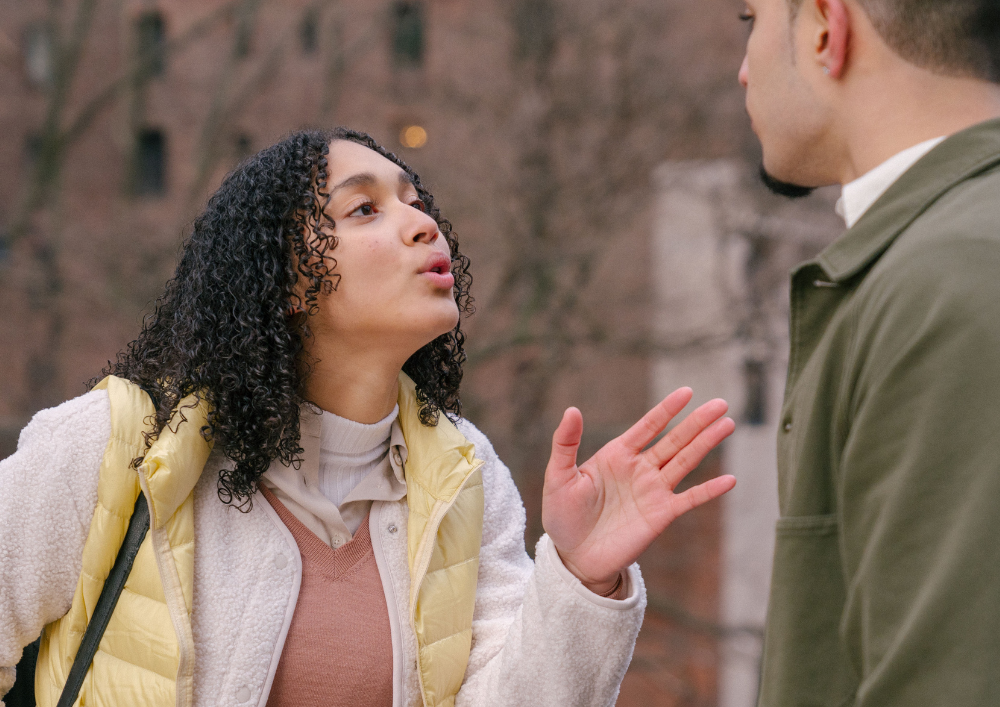
And so the questions continue: Where do young people find guidance when making decisions about relationships? Do they recognise the warning signs of unhealthy behaviour before committing to relationships that may become controlling or abusive? Where do they learn resilience and the skills needed to overcome life’s obstacles?
Where do they learn what it takes to sustain a relationship through changing seasons of life? How do they navigate conflict with wisdom rather than division? How do they communicate respectfully across generations? How do they learn to build, nurture, and belong to families rooted in trust, openness, mutual respect, and genuine connection?
These are not abstract questions. They are the very foundations upon which strong families, connected communities, and resilient societies are built. Yet increasingly, many young people are growing up without the stories, examples, and intergenerational wisdom that once helped answer them.
The Role of Family: Where Real Learning Begins
If schools cannot carry this alone, then where does it happen? It happens at home. And the most obvious way children learn is through observing how adults behave around them. We speak by our actions, our deeds, our words.
We learn fairness, compassion, integrity, and responsibility not through instruction alone, but by observing the behaviour of the adults around us. Long before we fully understand these values, we witness them being lived out, or neglected, in everyday life.
Our sense of right and wrong, our priorities, and even our understanding of what matters most are shaped by the decisions our parents and caregivers make. We watch how they respond to challenges, setbacks, disagreements, and opportunities. We notice how they treat others, particularly when there is nothing to gain. We observe what they are willing to sacrifice for the wellbeing of their family, what they choose to invest their time and resources in, and what principles they refuse to compromise.
These observations become our earliest lessons about character, relationships, and responsibility. They help shape our expectations of ourselves and others.
Yet we do not learn only from the successes of those who came before us. We also learn from their mistakes, their shortcomings, and the consequences of their choices. We experience firsthand how those decisions affect the family unit, whether they strengthen trust and connection or create tension, division, and hardship. Through both positive and difficult experiences, we gain valuable insight into the kind of people we want to become and the kind of families we hope to build.
In this way, values are not merely taught; they are modelled, observed, experienced, and ultimately passed from one generation to the next.
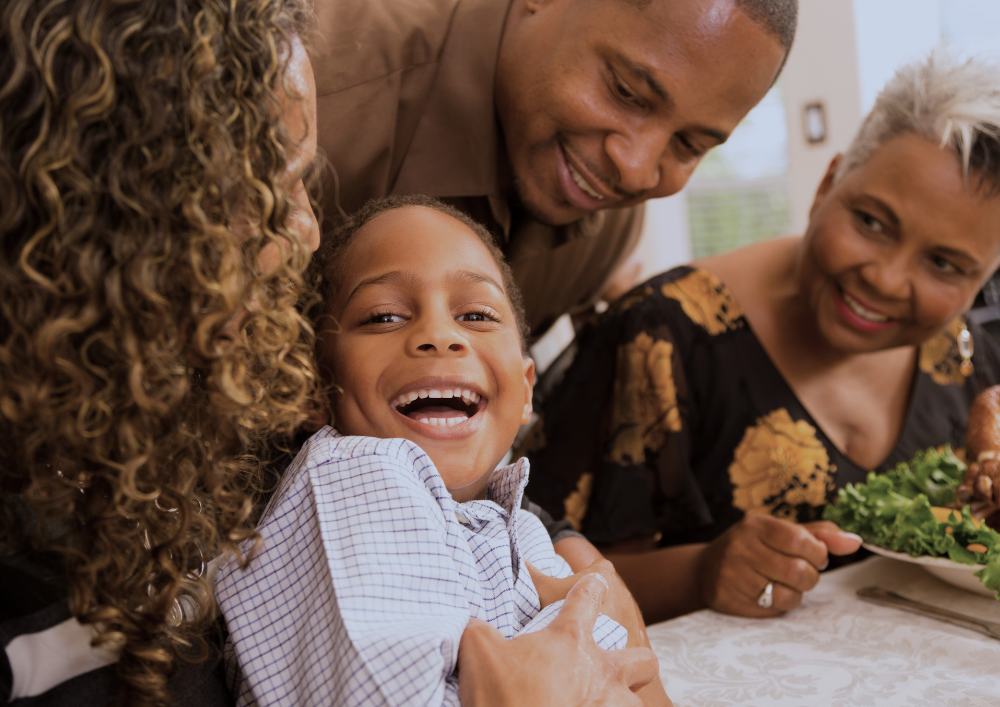
However, there is a natural, almost instinctive way of learning, and that is in conversations around the dinner table. In stories shared between generations. In the passing down of values, experiences, and lessons. This is where storytelling becomes more than nostalgia; it becomes education.
Storytelling as a Gateway to Life Skills
Research in developmental psychology consistently shows that children who know their family stories have a stronger sense of identity, resilience, and emotional well-being. Studies by researchers such as Marshall Duke and Robyn Fivush found that children who understand their family narratives are better equipped to cope with challenges and build a stable sense of self. This is because stories do something that textbooks cannot. They carry context. They carry emotion. They carry lived experience. They teach not just what happened, but how people responded, adapted, and endured. They offer guidance without instruction.
When a grandparent shares how they managed hardship, they are teaching resilience.
When parents speak honestly about financial mistakes, they are teaching responsibility.
When families talk about relationships, choices, and consequences, they are teaching emotional intelligence.
These are life lessons, quietly embedded in narrative. And yet, in many modern families, these conversations are becoming less frequent. Busier lives. Digital distractions. Fragmented routines. The very spaces where stories once lived are slowly disappearing. And with them, a powerful form of intergenerational learning.
Our Responsibility
This is not about criticism of schools. They carry an enormous responsibility, and they do it within constraints. But it is a reminder. Education does not begin and end in the classroom.
It lives in the home.
In the family.
In the shared stories that shape identity and belonging.
If we want future generations to feel grounded, capable, and connected, we cannot outsource all learning. Most of it must be intentionally passed down.
So What Can We Do?
We cannot overhaul the system overnight. But we can begin with the basics:
What are our priorities?
Our well-being?
Quality time with family?
Comfort?
Family relationships?
Children?
These all matter. And if they do, we need to make time and align our intentions. It will not be perfect, but you’ll be surprised how small shifts make a difference, how honestly sharing your struggles, experiences, and your family stories could gradually open lines of communication, acceptance, and respect.
Begin with something simple. Ask more questions. Share more stories. Create space for conversations that go beyond the surface. Capture the lessons that life has already taught your family. Because one day, these will become the guidance your children and grandchildren turn to. Not as theory, but as lived truth.